Early Hearing Loss Detection for Children in Guatemala
Strengthening early detection and diagnosis of hearing loss in children aged 0-5 years in Suchitepéquez and Quetzaltenango departments through WHO-aligned evaluation protocols, enabling timely interventions for comprehensive child development.
Project Overview
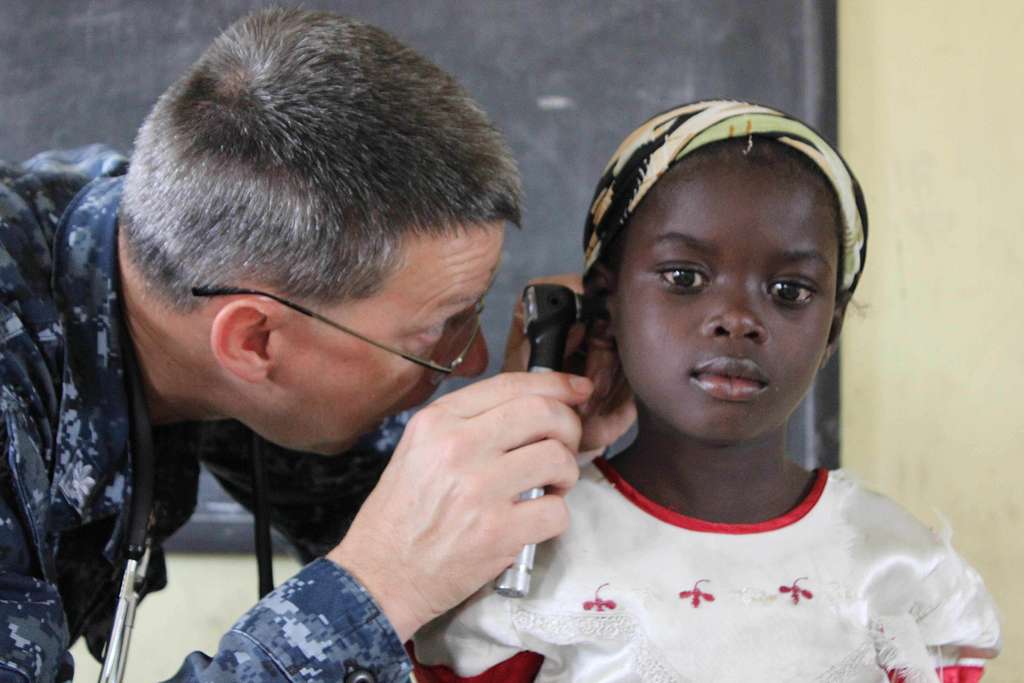
This transformative initiative aims to strengthen early detection and diagnosis of hearing loss in children aged 0-5 years in the Suchitepéquez and Quetzaltenango departments of Guatemala. The project implements WHO-aligned evaluation protocols to enable timely interventions and support comprehensive child development.
Project Objectives
-
Strategic Partnerships
- Collaborate with HALO Guatemala
- Partner with local health authorities
- Establish sustainable program implementation
- Ensure long-term program viability
-
Evaluation Protocols
- Implement otoacoustic emissions testing
- Conduct auditory evoked potentials
- Provide free or social-price screenings
- Ensure early and accurate diagnosis
-
Specialized Care Access
- Develop referral systems
- Enable early hearing aid adaptation
- Facilitate educational services
- Support comprehensive intervention
-
Healthcare Training
- Train medical professionals
- Educate pediatricians
- Build screening protocol expertise
- Enhance patient care capabilities
Implementation Plan
Screening Services
- 5,000 otoacoustic emissions tests
- 200 evoked potential diagnostics
- 100 hearing aids for low-income children
- Comprehensive evaluation protocols
Cost Efficiency
- Private clinic cost: USD 743.00
- Project evaluation cost: USD 11.97
- Cost reduction: Over 98%
- Voluntary contribution: USD 39.00 per protocol
Project Network
Healthcare Partners
- National hospitals
- Community health centers
- Schools for the deaf
- Special education institutions
Community Support
- Midwives and birth attendants
- Local leaders
- Community health workers
- Educational institutions
Sustainability
The project ensures long-term viability through:
- Continuous staff training
- Equipment maintenance
- Community engagement
- Strategic partnerships
Expected Outcomes
- Enhanced early detection
- Improved intervention access
- Strengthened healthcare capacity
- Better child development outcomes
- Sustainable screening program
Share and Engage Your Rotary Circle: